Guinea pigs and hamsters are both popular small pets, charming owners with their unique personalities. However, choosing between them involves more than just their cute appearance. You also need to understand how to take care of them and learn about their unique characteristics.
In this guide, we’ll help you navigate the important differences between a guinea pig and a hamster, enabling you to make an informed decision about which furry friend is the ideal addition to your home and lifestyle.
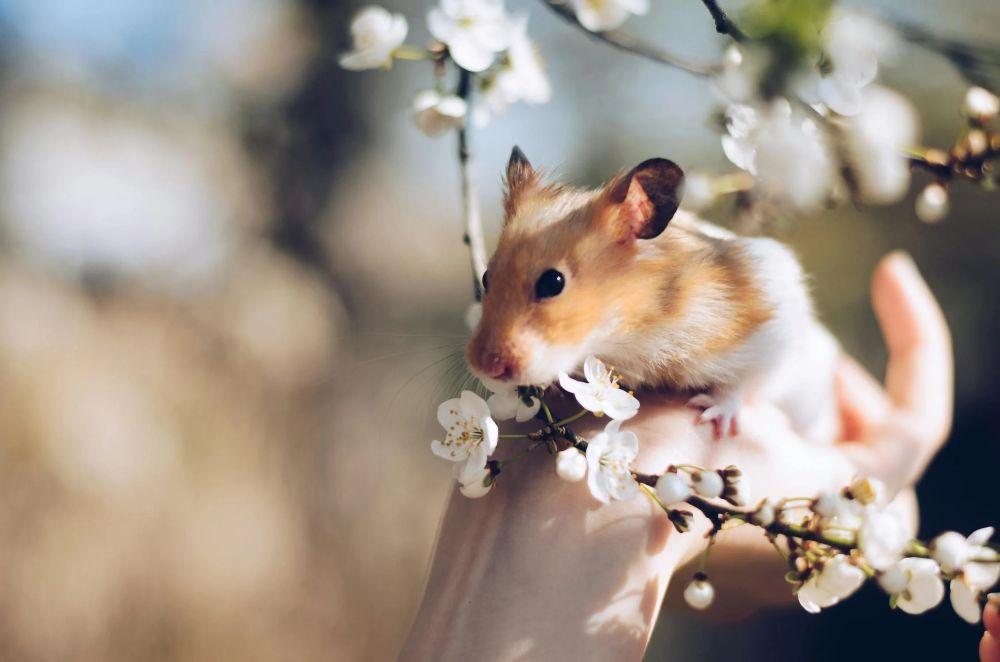
When comparing a guinea pig vs. a hamster, their physical traits are often the first distinguishing factor. Hamsters are generally smaller, typically two to seven inches long, with compact bodies, short tails, and prominent cheek pouches. They also come in various breeds, such as Syrian or Dwarf hamsters.
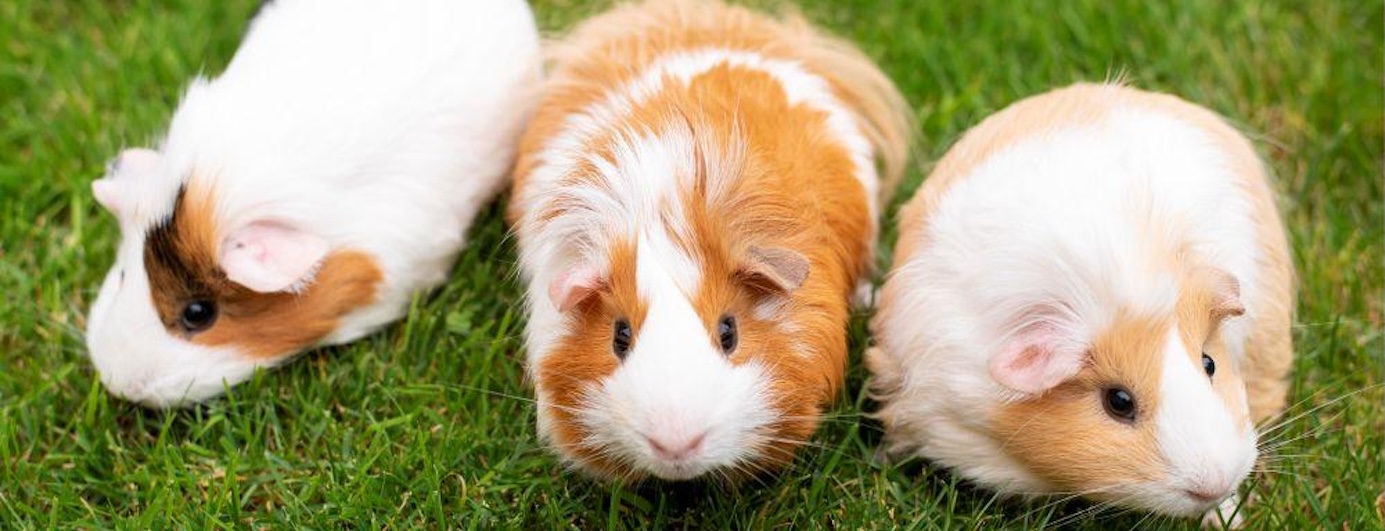
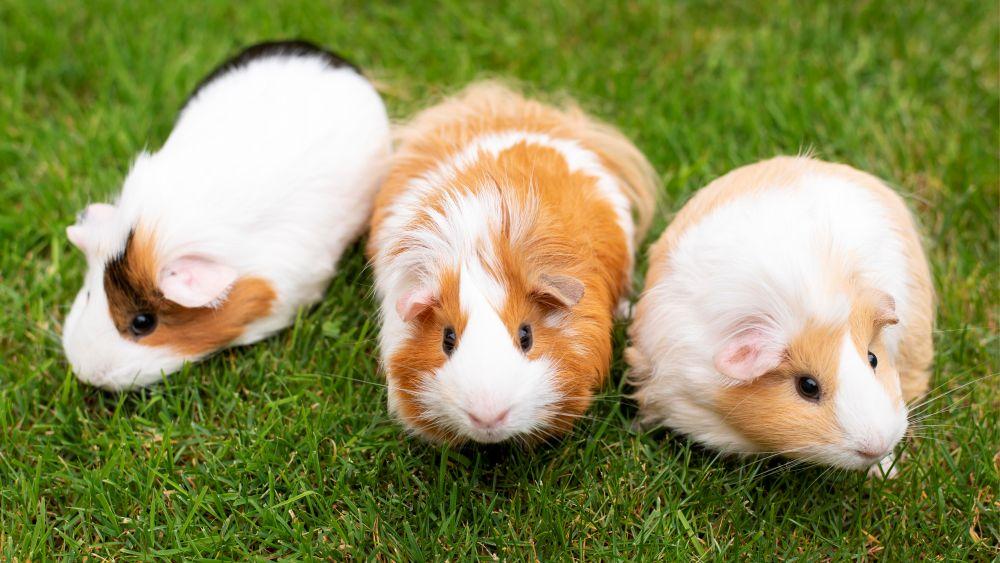
Guinea pigs, on the other hand, are larger, ranging from 8 to 12 inches, with stockier builds, no visible tail, and diverse coats among guinea pig breeds like Abyssinians or Peruvians.
Lifespan is another key difference.
For instance, the average guinea pig lifespan is typically five to seven years, while hamsters usually live for two to three years. Factors influencing longevity for both include proper diet, pet care, genetics, and the quality of veterinary care they receive.
Choosing between a guinea pig vs. a hamster also involves understanding their distinct care needs:
Ultimately, deciding between a guinea pig and a hamster depends on your lifestyle. For one, you need to consider your available space—guinea pigs need more room, while a pet hamster might suit smaller living areas.
Also, think about your time commitment because guinea pigs thrive on social interaction and daily attention, whereas hamsters are more independent due to their nocturnal nature. Simultaneously, factor in your social preferences—do you want a cuddly companion or a creature to observe?
Lastly, budget for initial setup and ongoing pet care, including regular check-ups with a guinea pig or hamster vet in Singapore. This way, you can easily recognize whether your hamster is sick or if your guinea pig has skin problems and other health concerns. Regardless of your choice, thorough research and responsible pet ownership are crucial.
For personalized guidance and veterinary care tailored to your potential new companion, contact Beecroft Bird & Exotics Veterinary Clinic.